Key Takeaways
Discover the differences between anti-aging cream and moisturizer, and learn how to choose the right product for your skin. The importance of aging care and hydration!
Are you unsure whether you should use anti-aging cream daily or if a moisturizer alone is sufficient? Many people hesitate in front of their vanity, unsure which product to choose. Both seem important, but it's frustrating not knowing their exact roles. Especially when your skin feels tight or fine lines start to appear, it can be hard to tell if it's a lack of moisture or aging that needs attention. Let me explain the difference between anti-aging creams and moisturizers in simple terms.
Anti-aging creams primarily contain ingredients that manage skin aging, often aiming to improve wrinkles, enhance elasticity, and even out skin tone. Ingredients such as retinol or vitamin C are commonly used, which can affect skin turnover or collagen production, requiring consistent use. On the other hand, moisturizers focus on reducing moisture loss from the skin's surface and protecting the barrier, often containing ingredients like glycerin or hyaluronic acid that attract or retain moisture. Simply put, while a moisturizer stabilizes the skin's basic condition, an anti-aging cream targets specific signs of aging for functional care. However, products with the same name can differ in ingredient composition, concentration, and formulation, so effectiveness and irritation can vary from person to person.
 Before
 After
The criteria for choosing depend on your skin type and current discomfort. If your skin is dry, feels tight for a long time after cleansing, or tends to flake easily, it might be best to focus on moisturizing and barrier care with a moisturizer. Conversely, if your skin texture is rougher than before and you are concerned about fine lines, loss of elasticity, and dullness, you might consider gradually adding an anti-aging cream. For example, if your skin is dry and you start to see some wrinkles, it may be good to primarily use an anti-aging cream while ensuring adequate moisture with a moisturizer. If you're young and your only concern is skin dryness, a moisturizer alone may suffice, and adding functional ingredients after your skin has stabilized can help reduce the burden.
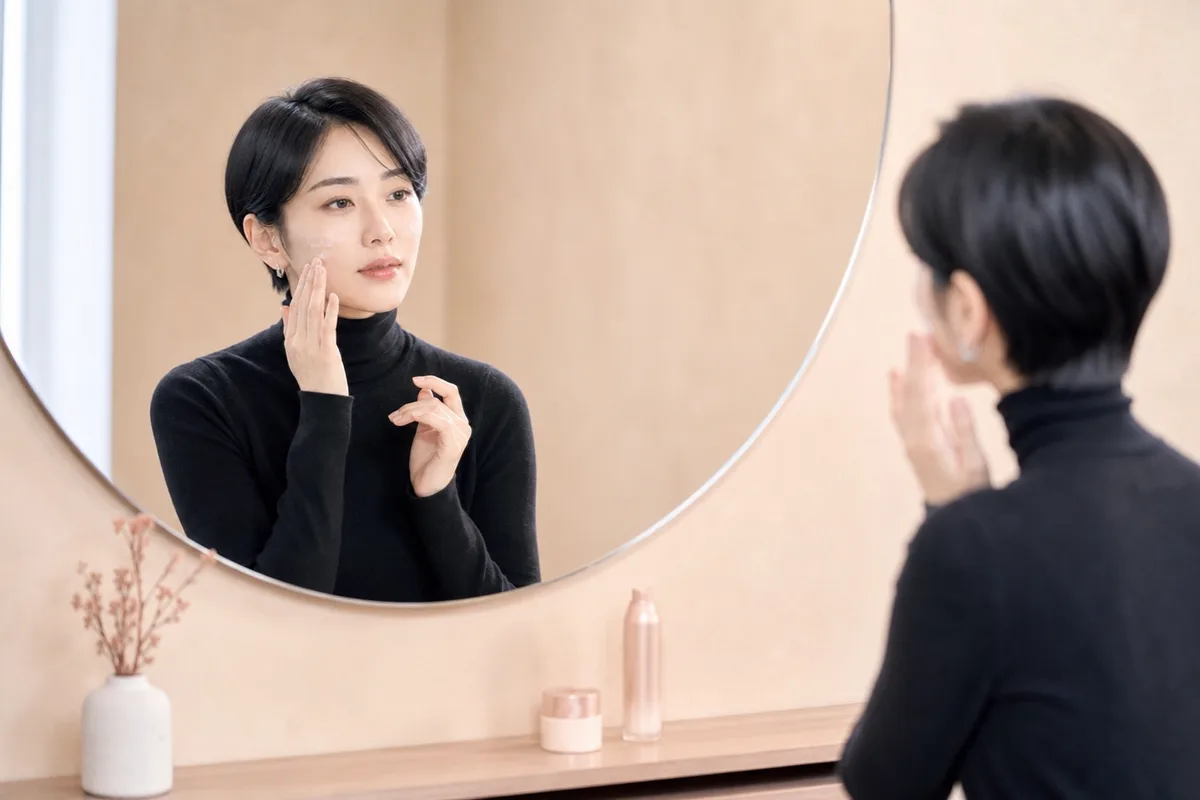
Anti-aging creams usually contain active ingredients, which can cause irritation reactions like tingling, dryness, and redness when the skin is sensitive. In such cases, it can be helpful to first stabilize the skin barrier with a moisturizer and gradually adapt to the anti-aging product by starting with a small amount. Generally, it's advisable to apply from lighter to thicker formulations, but recommended order may vary depending on the product ingredients, so checking the usage instructions is necessary. During the day, applying sunscreen over the moisturizer is recommended, as UV exposure can worsen skin aging and pigmentation. If tingling or redness continues, it is safer to adjust the usage interval or identify the cause through consultation rather than persisting.
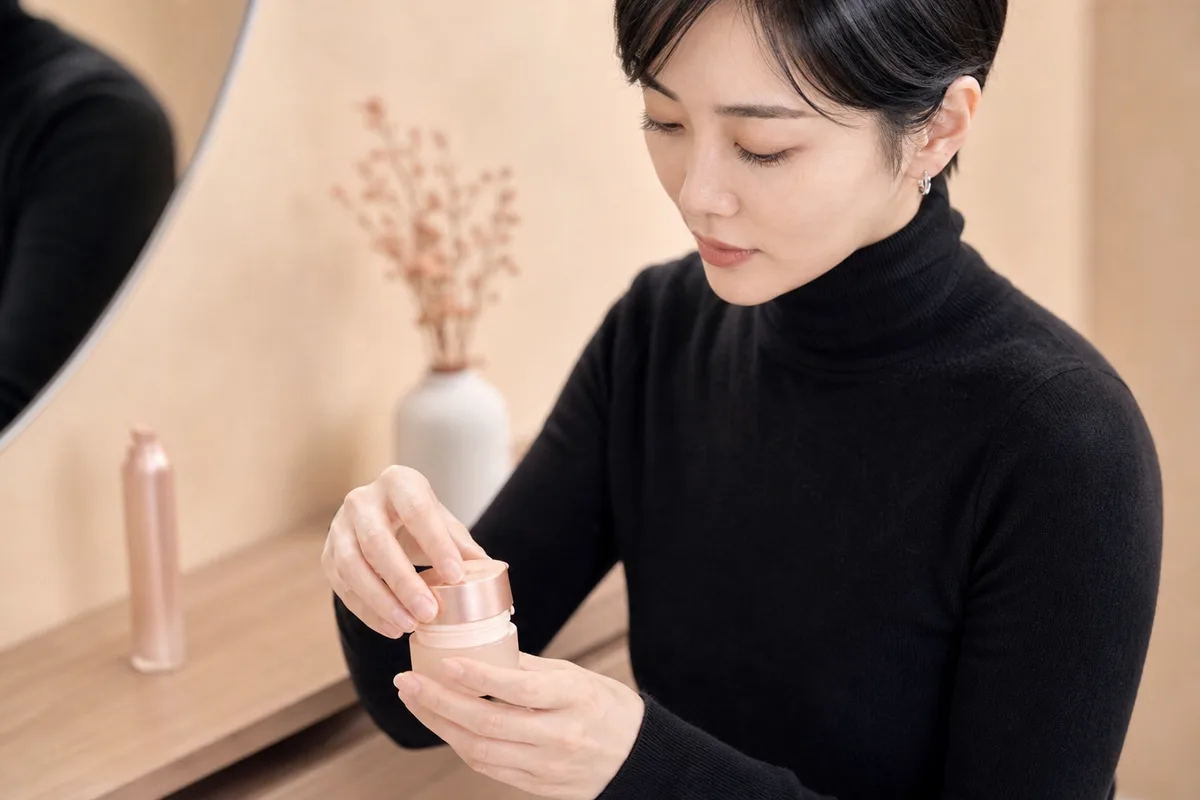
If you're confused about whether to prioritize anti-aging or moisturizing, consulting a specialist is advisable. During a consultation, rather than simply deciding on products based on age, the condition of the skin barrier, degree of dryness, changes in wrinkles and elasticity, and concerns about pigmentation will be comprehensively evaluated. It's helpful to share your existing routine, as different cleansers, exfoliants, and functional cosmetics you use can affect skin sensitivity. Check the following at Piaf Clinic:

Choosing the right product for your skin type and condition is key to maintaining clean and healthy skin. We do not unconditionally recommend procedures or products; accurately understanding your skin condition comes first. Especially if there are accompanying issues like dermatitis, acne, pigmentation, or redness, you should check the manageable range of care your skin can handle rather than immediately increasing functional products. Explore the right care method for you through a thorough consultation at Piaf Clinic.
Moisturizers and anti-aging creams are better understood as different stages of care with different roles rather than interchangeable products. Which product is more necessary can depend on whether your skin is dry, sensitive, or how pronounced the signs of aging are. The following are general guidelines, and actual responses and satisfaction may vary.
It depends on your skin condition. Since the two products serve different roles, using them together can be beneficial depending on the situation. For skin with noticeable dryness, protecting the barrier with a moisturizer first and then adding an anti-aging cream can reduce the burden. Conversely, for oily skin that easily feels heavy, it may be necessary to choose a lighter formulation or adjust the amount used.
It is generally recommended to start using it from the late 20s. However, it can vary depending on the individual's skin condition and aging degree. If there is a lot of sun exposure, the skin is dry, or fine lines appear early, you might be interested in starting earlier, but increasing functional ingredients indiscriminately is not the answer. When first using it, it's appropriate to ensure that your skin adapts comfortably while maintaining moisture and sun protection.
While anti-aging creams can help improve wrinkles, proper moisturizing suitable for your skin type is also important. If the skin barrier is dry and unstable, irritation may be felt before the functional ingredients fully work. Using it with a moisturizer can help reduce moisture loss on the skin surface and continue using functional products more comfortably. However, as more product combinations make it harder to identify the cause of trouble, it's best to avoid changing multiple products at once.
Effectiveness varies among individuals. It can differ based on skin type, lifestyle habits, and usage methods. If factors that burden the skin, such as lack of sleep, sun exposure, smoking, or excessive exfoliation, persist, you may find it difficult to notice the expected changes even when using the product. It's advisable to monitor changes consistently, and if irritation repeats or the improvement direction is unclear, consult to check if the ingredients are unsuitable, if there's a lack of moisture, or if other skin issues exist.
If you have any questions, feel free to reach out anytime.
Request a Free Consultation